Off the Beaten Path: Discovering Wine in the Davis Mountains & Hidden Valley, Texas
- Steven Richardson
- Jul 23, 2025
- 3 min read

Tucked into the rugged heights of West Texas, the Davis Mountains AVA and the little‑known Escondido Valley AVA are among the most underappreciated grape‑growing areas in the United States. These regions pair volcanic soils and high‑elevation climate with resilient vintners planting the seeds of a new Texas wine future.
Where Resilience Meets Terroir
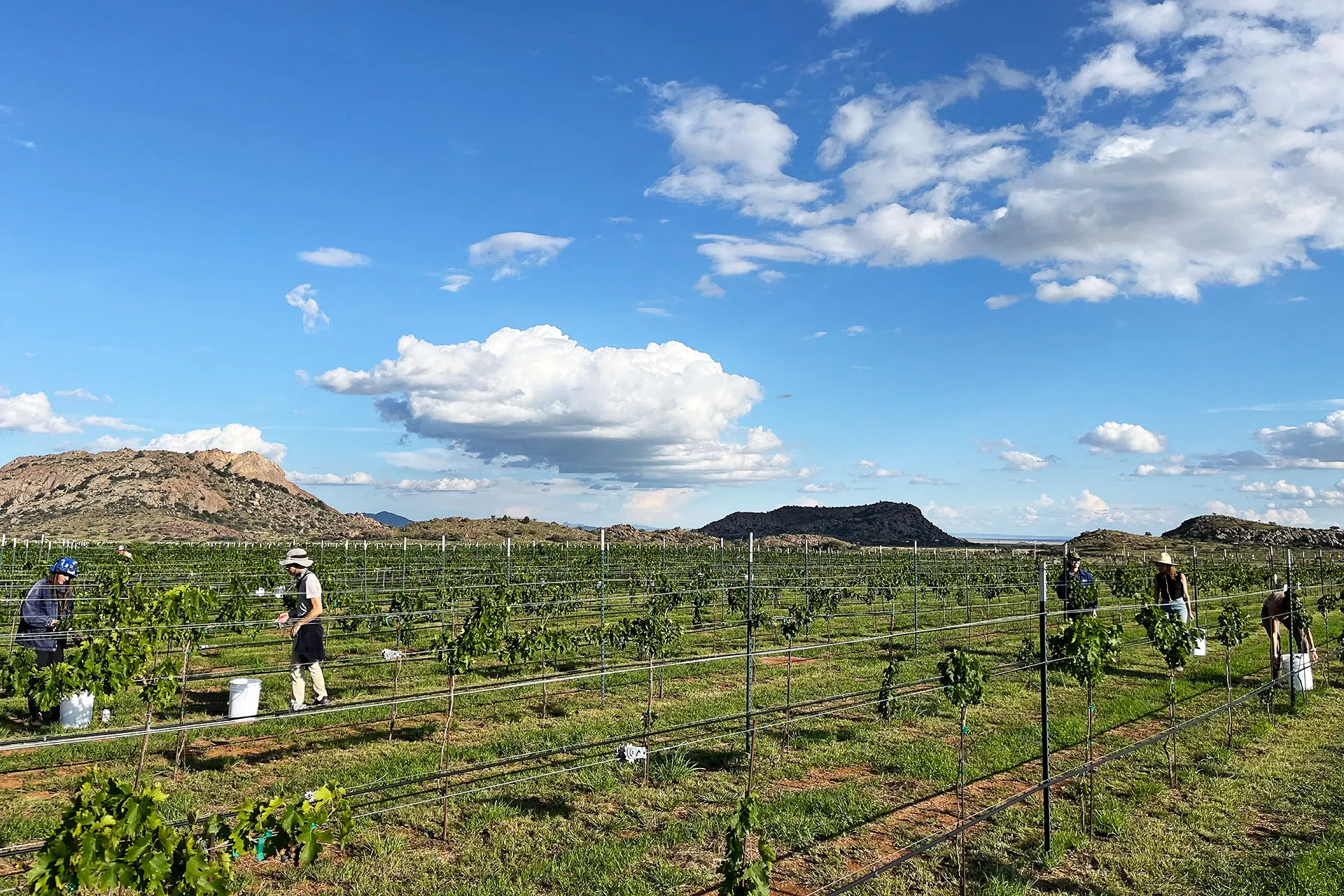
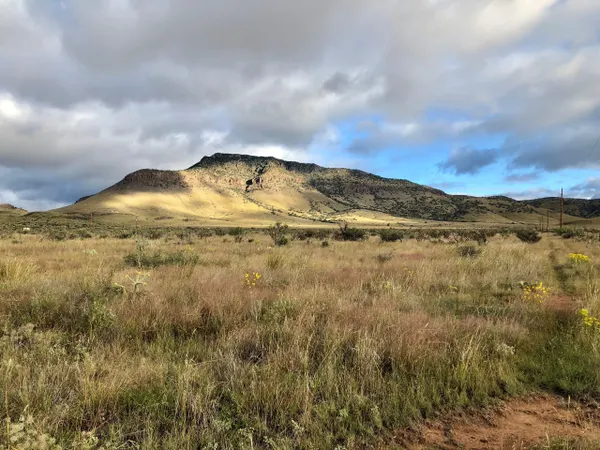
The Davis Mountains AVA sits between 4,500 and 8,300 feet above sea level, with granite‑rich, volcanic soils and broad temperature swings—ideal for structured, refined wines.
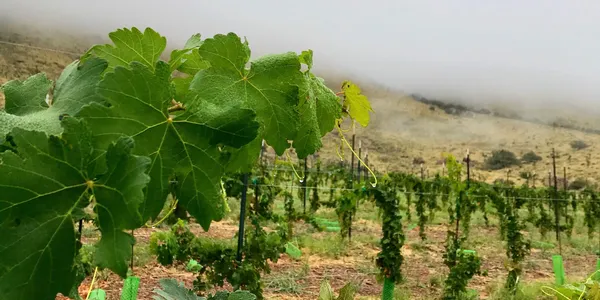
Your journey began by following Alta Marfa’s Instagram from day one—planted in 2016, vines stood tender and exposed to blistering hail storms, drought, and scorching wind. Yet they endured. The visuals of battered baby vines and hopeful captions painted a masterpiece of perseverance—this isn’t just farming; it’s storytelling through wine.
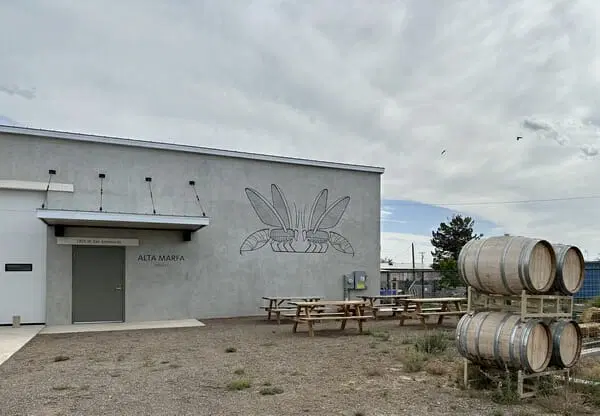
First Stop: Alta Marfa – Marfa, TX
Owned by Ricky Taylor and Katie Jablonski, Alta Marfa blends adventurous varietals, natural methods, and a raw DIY spirit. From planting Portuguese reds by hand to crafting acid‑driven, low‑alcohol wines, their journey is as compelling as the wine itself The Big Bend Sentinel.
🍇 Sip This:
Early Touriga Nacional or Tempranillo (limited distribution; check specialty stores)
Natural, unfiltered whites and reds made from grapes grown or sourced carefully
💡 Pro Tip: Alta Marfa began with just 10 cases in 2019, grew to 1,500 in 2021, and still pours mainly by appointment—perfect for the curious traveler


Second Stop: Sharp Family Vineyard – Blue Mountain
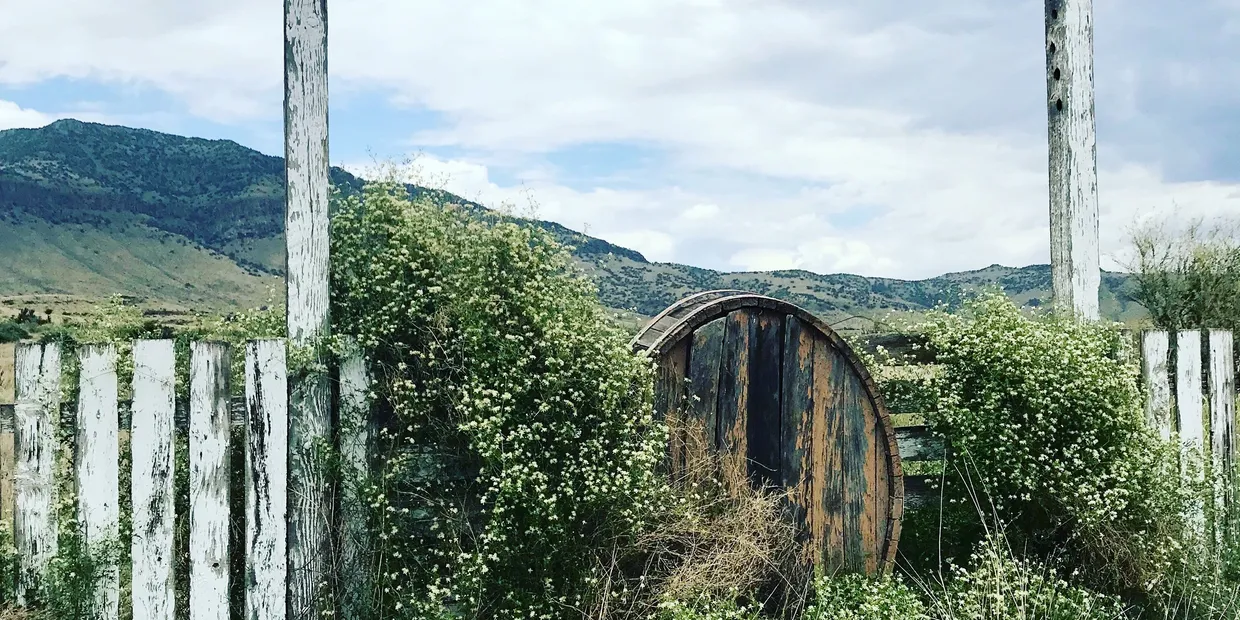
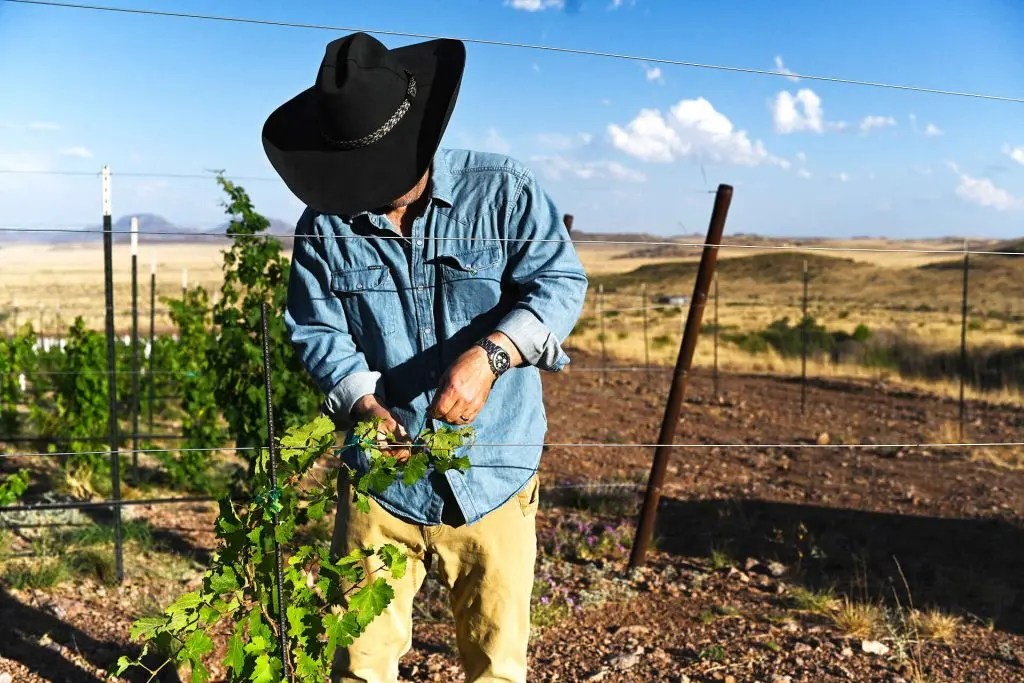
Located near Fort Davis, the Sharp Family resurrected the historic vineyard at Blue Mountain—a site where wine was made from the ’70s through early 2000s by pioneer Gretchen Glasscock and later Mamie “Nell” Weisbach. Dan and Maura Sharp bought the land in 2018, reinvigorating it with sustainable practices and cabernet sauvignon vines planted in 2020 and 2021.
🍷 To Try:
Hand‑tended Cabernet Sauvignon from volcanic soil
Future releases from their estate, minimal‑intervention style
💡 Insider Tip: They’re planning a proper estate winery and expect first releases in coming years. Meanwhile, they host intimate harvest events and conservation partnerships—the farm, wildlife, and wine lovers unite here
Bonus Stop: Hotel Saint George Wine Room – Marfa, TX
This isn’t a vineyard—but the wine list skews heavily Davis Mountains AVA, making it a great stop if your schedule is tight. They offer rotating local flights and a sleek, air‑conditioned tasting room to unwind after a day of exploring galleries or stargazing.



The “Hidden Valley”: Escondido Valley AVA
Escondido Valley AVA, aka the “hidden valley”, spans 32,000 acres in Pecos County, designated in 1992. In theory, it grows grapes like Cabernet Franc, Sauvignon Blanc, Chardonnay, and Chenin Blanc—but in practice, there are currently no operating wineries in the AVA. The historical producer, Ste. Genevieve Wines, ceased operations around 2022 after bankruptcy.
That means Escondido Valley remains a wine ghost land—ripe in potential, nearly unused. If you track down a bottle labeled Escondido Valley (old stock shows up occasionally), savor it as a rare relic of a vanished terroir.
Why You Should Get Off The Beaten Path in West Texas
Texas wine is evolving beyond Hill Country or High Plains. In the Davis Mountains, elevation, volcanic soils, and passionate growers are forging a terroir‑rich, high‑altitude story. Meanwhile, Escondido Valley’s untapped acreage symbolizes what might still happen. These areas aren’t Napa, but they’re brimming with possibility—and boldness.
Next time you’re craving a wine trip with grit and narrative, point your compass due west. The Davis Mountains and the hidden dream of Escondido Valley are ready to pour something remarkable.

Comments